
The HAE Mental Load Nobody Sees
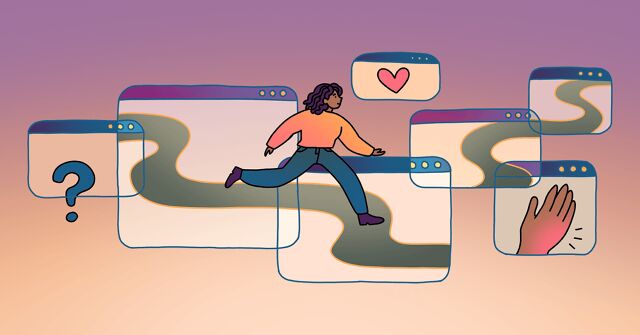
Some days, the hardest thing I have to do is something ridiculously small. Answer an email. Make a phone call. Take a shower. Fill out a form. Make an appointment. Put away laundry. Nothing on that list should feel like climbing a mountain. Sometimes it does.
That is something I wish we talked about more when we talk about chronic illness and mental health. We talk about coping with a diagnosis, anxiety, depression, staying positive, and finding support. We don’t talk nearly enough about what happens when simply managing your life becomes overwhelming.
I live with hereditary angioedema (HAE), multiple sclerosis (MS), and other chronic health conditions. There isn’t a neat dividing line where one illness stops affecting me and another begins. My body certainly doesn’t recognize one, and neither does my brain.
The invisible mental load of HAE and MS
HAE requires awareness because attacks can be unpredictable. I need to know where my medication is, recognize what my body is telling me, and know when something is becoming serious. That constant awareness becomes part of the mental load too.
MS brings a different set of barriers. Fatigue can make getting through a normal day physically exhausting. Cognitive changes can make things that once felt automatic require more concentration. There are times when mobility and other physical limitations mean doing something isn’t simply a matter of deciding to get up and do it.
That physical piece matters when we talk about mental health. Imagine repeatedly having the motivation to do something while your body does not have the ability or energy to cooperate. Even basic tasks can require planning around symptoms, mobility, fatigue, accessibility, medications, and how much energy you have left.

That takes a toll.
Meanwhile, there are appointments to remember, specialists to see, prescriptions to refill, symptoms to monitor, insurance issues to handle, messages to answer, and medical decisions to make. Then there is everything that has absolutely nothing to do with being sick: family, work, bills, laundry, groceries, relationships, plans, and responsibilities.
Life keeps arriving even when your body is already asking everything from you.
Why the smallest tasks feel overwhelming
I can look at a task that would normally take five minutes and feel completely overwhelmed by it. Not because I don’t know how to do it or don’t care. Sometimes I have already made a thousand decisions nobody saw. That is part of the mental load of chronic illness. It isn’t only worrying about being sick. It is having to think about being sick while still trying to live.
Then stress enters the picture. People tell us to reduce stress as though stress were an app running in the background that we could simply swipe closed. I would love to. But sometimes chronic illness itself is the stressor.
Not knowing how you will feel tomorrow is stressful. Wondering whether an HAE attack might interrupt your plans is stressful. Fighting with insurance is stressful. Losing pieces of independence is stressful. Needing help can be stressful. Falling behind because your body couldn’t keep up is stressful. Then being stressed about how stressed you are becomes its own ridiculous layer.
The cruel irony is that stress can make an already difficult situation feel even harder. Illness creates stress, symptoms create more stress, mental health suffers, and capacity gets smaller. Eventually, an unanswered email can feel enormous.
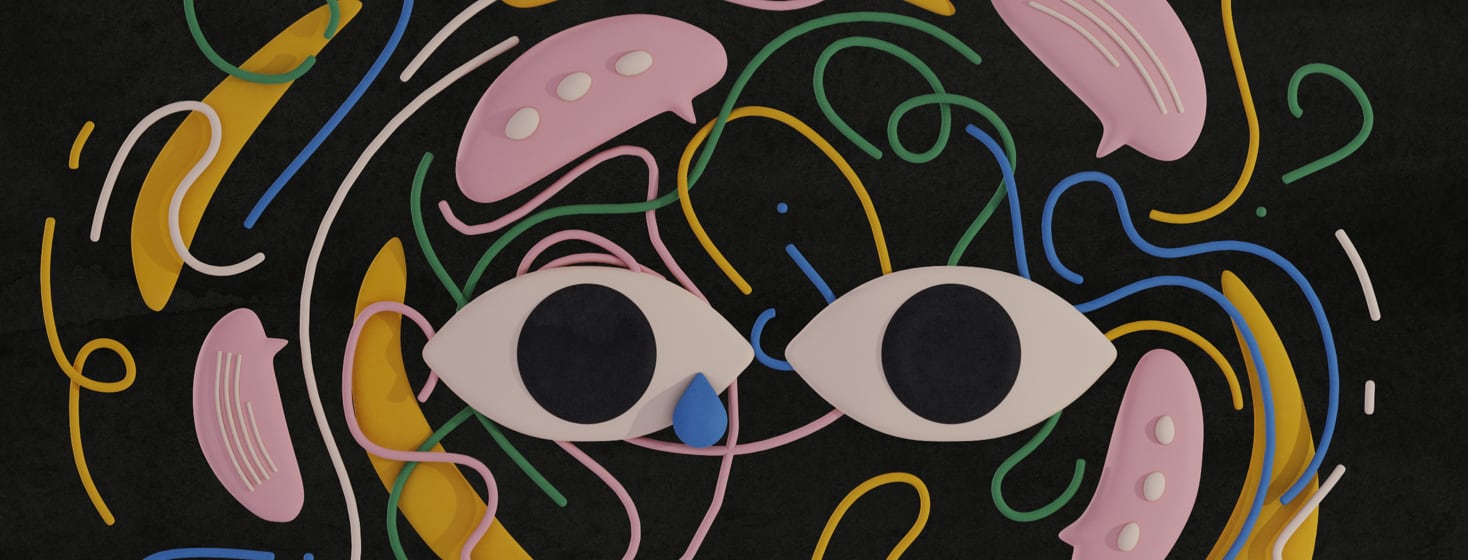
I have had moments when I know exactly what needs to be done and still cannot figure out where to begin. There might be six things on my list, but my brain experiences sixty. I need to make a phone call, but first I need information for the call. I also need to answer that message. I haven’t eaten. I need to check on a prescription. There is an appointment I am probably forgetting. Suddenly, I am doing none of it.
Budgeting energy and changing the narrative
That can be incredibly frustrating when you remember being someone who could simply do things. Chronic illness can change your relationship with productivity and your confidence in your own abilities. You start asking, “Why can’t I handle this? Why am I overwhelmed by something so simple?”
Those questions assume we are all starting each day with the same amount of capacity. We aren’t.
Sometimes half of my physical and mental energy has been spent before I ever touch my actual to-do list.
I have learned that every task has a cost—not necessarily financially, but in energy, attention, concentration, physical ability, and emotional capacity. When you live with HAE, MS, and other chronic illnesses, you become very familiar with budgeting resources nobody else can see.
That is why mental health cannot be an afterthought in conversations about chronic illness. It is woven through the entire experience. It is affected when our bodies change, when our independence changes, when ordinary tasks become physically difficult, when we are scared, when we are exhausted, and when the smallest thing becomes the thing that finally makes us cry.
Sometimes that small thing isn’t really the problem. It is simply the final thing placed on top of everything else we were already carrying.
I am trying to ask myself a different question in those moments. Instead of, “Why can’t I handle this?” I ask, “How much am I already handling?”
Giving ourselves grace on hard days
There are days when I can advocate, write, show up, help other people, and accomplish more than I thought possible. There are other days when making one phone call or simply getting through the basics takes everything I have.
Both versions of me are trying.
And if you live with HAE or another chronic illness and sometimes feel overwhelmed by things that seem small, you are trying too. There is nothing shameful about reaching your limit. Needing more time, asking for help, changing plans, leaving something unfinished, or admitting that you simply do not have it in you today does not mean you are failing.
We spend so much time adjusting to what our bodies demand that we can forget to give ourselves the same understanding we would give someone else. Rest is not laziness. Overwhelm is not weakness. A hard day does not erase all the things you have done on the better ones.
The mental load of chronic illness may be invisible to everyone else, but that does not make it any less real. Sometimes the smallest task feels like a mountain because we were already carrying so much before we reached it.
On those days, maybe we do not need to push harder or feel ashamed that the climb is difficult. Maybe we need to recognize how much we are already carrying, give ourselves some grace, and remember that doing what we can is enough.
Join the conversation